Retirement Living: Welcoming a Vibrant Existence
Senior living in modern times reflects a shift towards a more dynamic existence. It unites comfort with possibilities for interpersonal engagement and personal advancement. Strategically designed settings enable autonomy while nurturing social relationships. Wellness and health programs function as an important element, alongside engaging events that foster friendships. Which elements truly factor into this satisfying experience? Looking into these points reveals how current senior living can greatly enhance the standard of living for older adults.
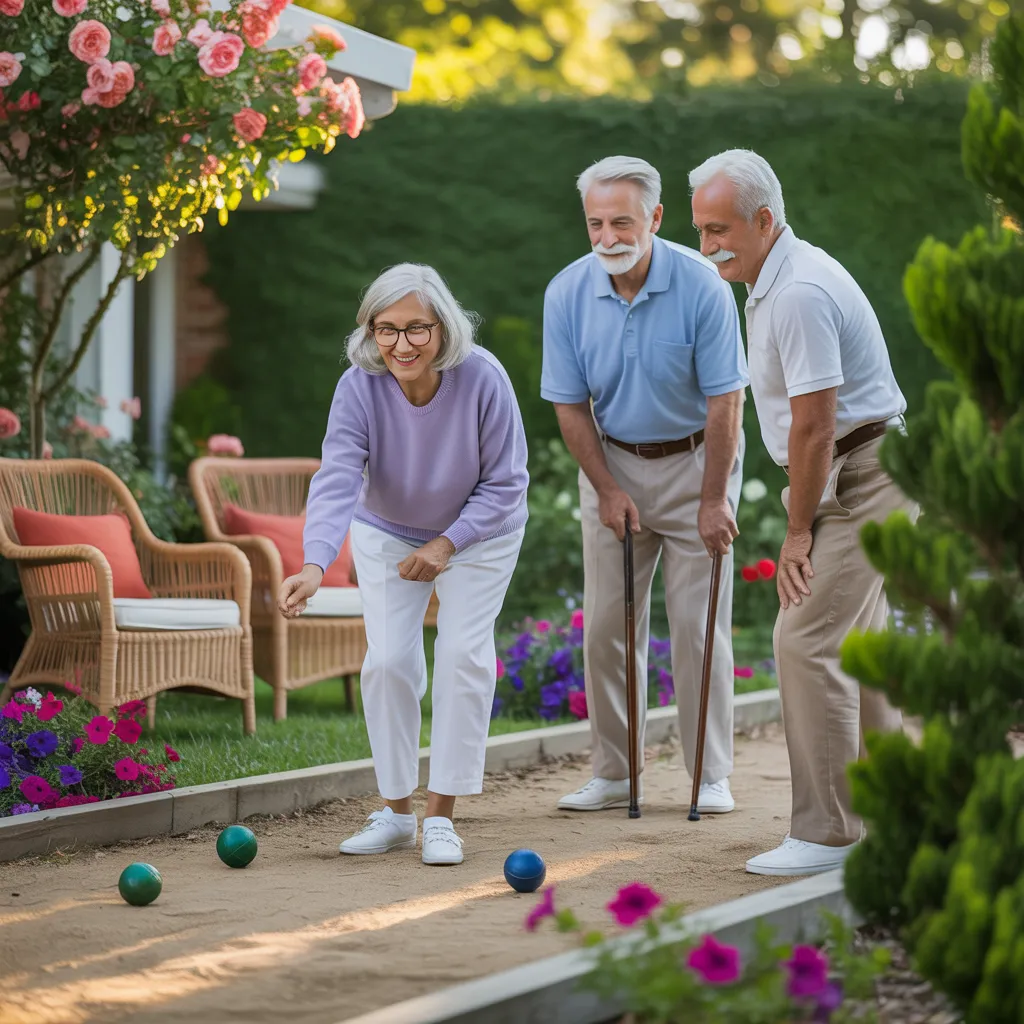
What Today's Retirement Living Looks Like
Contemporary senior living has transformed greatly, demonstrating a fusion of comfort and community. Modern facilities focus on aesthetics and functionality, delivering well-designed apartments that meet the needs of older adults. Open floor plans, natural light, and accessible features strengthen the living experience, cultivating a sense of independence.
Community spaces are fundamentally important, including communal zones for community activities, food service, and health programs. Many senior living residences integrate gardens, walking paths, and recreational facilities, encouraging residents to experience the natural environment and keep an active lifestyle.
In addition, technological incorporation has become significant, equipping residents with tools for communication, entertainment, and safety. Smart home features and emergency response systems strengthen security while cultivating autonomy.
Health and Health in Retirement Communities
Health and well-being are often given priority in senior living environments, demonstrating a comprehensive approach to aging. These communities frequently include various health services, such as regular medical check-ups, nutritional counseling, and fitness programs customized to the needs of older adults. By promoting a supportive atmosphere, residents are motivated to manage their health via preventive measures and lifestyle adaptations.
Mental wellness is similarly valued, with support systems such as therapy and mental stimulation intended to maintain mental engagement. A number of facilities also advance community wellness by offering health seminars, mindfulness classes, and outdoor access, all of which aid to a balanced life. Additionally, the emphasis on personalized treatment approaches guarantees that every resident receives attention that aligns with their individual wellness goals. To conclude, these endeavors seek to enhance the standard of living, empowering seniors to excel in their advancing years.
Activities That Strengthen Connections
In building a community bond, activities designed to build connections in senior living environments are fundamental in boosting residents' social lives. Participating in group activities such as art classes, gardening clubs, and game nights supports socializing and connection among residents. These collective experiences reduce social barriers and cultivate a supportive environment.
In addition, organized activities, such as visits to local theaters or nature parks, provide opportunities for residents to bond over shared interests and experiences outside of the facility. Regular social events, such as potluck dinners and holiday celebrations, continue to strengthen relationships through communal participation.
In addition, volunteer opportunities within the community can nurture a sense of purpose while connecting residents with one another and examine guide the broader community. Overall, these events not only strengthen residents' lives but also contribute to a vibrant and interconnected living environment.
Never-Ending Learning for Seniors
Aging adults benefit greatly from embracing new ideas and perspectives, which can enrich their quality of life. Workshops and lectures commonly feature guest speakers, creating a stimulating atmosphere where residents can ask questions and share insights. Additionally, online courses ensure flexibility, allowing seniors to learn at their own pace.
Community's Impact in Raising Senior Happiness
As people age, the sense of belonging to a community can tremendously boost their overall happiness. Engaging with community members builds valuable relationships, which are essential for emotional well-being. Social circles provide chances for social interaction, curbing feelings of loneliness and isolation that regularly come with aging. Regular participation in group activities—such as seminars, outings, or group meals—encourages seniors to forge friendships, share experiences, and stand by each other.
Moreover, a lively neighborhood often promotes a sense of purpose. When older adults share their skills and knowledge, they become appreciated and involved, additionally enhancing their confidence. Availability of services, such as medical care and leisure centers, within a community can also enhance their quality of life.
In the end, a solid support system not only enhances happiness but can also contribute to healthier, more fulfilling lives for seniors, enabling them to embrace their golden years with energy and joy.
Popular Questions Asked Often
How Much Do Senior Living Facilities Cost?
Fees pertaining to senior living facilities might include monthly rent, utility fees, care services, meal plans, and additional amenities. Financial considerations extend widely based on location, facility type, and level of care required.
How Should I Decide On the Appropriate Senior Care Community?
Determining the best senior living community demands evaluating personal needs, visiting potential facilities, assessing available services, considering location, and reviewing costs. Engaging with current residents can provide valuable insights into the community's atmosphere and quality of life.
What Varieties of Residential Arrangements Can You Discover in Senior Living?
Various lodging options in senior living include independent apartments, assisted living units, memory care suites, and skilled nursing facilities. Each option addresses different needs, ensuring residents find a suitable environment for their personal circumstances and medical needs.
Are Pets Allowed in Senior Living Communities?
Assisted living facilities frequently allow pets, recognizing their positive impact on resident wellness. Requirements differ, however, with some places imposing size or breed guidelines and requiring animal deposits to maintain a tranquil setting.
Relatives: How to Remain Engaged in a Senior's Life?
Family members can remain involved in a senior's life by scheduling regular visits, participating in activities together, staying in touch via regular phone calls and texts, and helping with technology to preserve relationships and exchange memories effectively.